In 2006, more than 829,000 people were arrested in this country for marijuana-related offenses alone. Since 1937 with the passage and adoption of the Marihuana Tax Act, marijuana has been effectively prohibited in the United States.
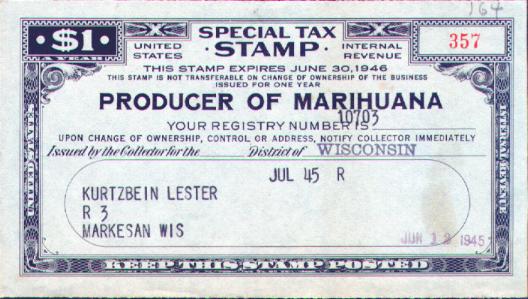
Literally millions upon millions of people have been accused of possessing marijuana. The question becomes are these convictions scientifically supported?
In this series of posts we are going to examine this seemly simple question:
- What is the goal and the purpose of testing of unknowns generally? How do we best design a test for marijuana?
- How is most marijuana testing conducted in the United States?
- What is microscopic morphological examination? Is it a “good” test?
- What is the modified Duquenois-Levine test? Is it a “good” test?
- What is Thin Layer Chromatography? Is it a “good” test?
- Is the combination of all three tests create a “good” testing scheme?
- Is there a better way to test for marijuana?
Part 2: How is most marijuana testing conducted in the United States?
So what happens in America, here, now and today in the identification of marijuana?
- Are the tests presumptive or confirmatory?
- Are the methods used verifiable?
- Does it result in a specific or selective identification?
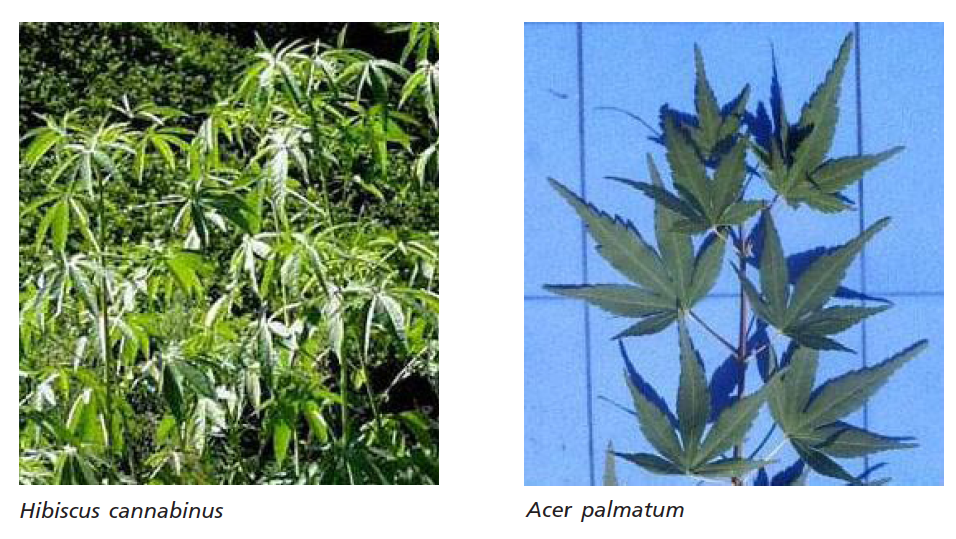
Let’s take a look at how marijuana is tested in the United States today in the super-majority of cases. It all begins with a police officer or another person who seizes an unknown substance. It’s green. It’s vegetable like. It looks like marijuana to them. Perhaps they do some sort of quick and dirty test on the side of the road using a fast colorimetric test and there is a change in color. This is a true unknown. We don’t know what it is. We cannot conclude what it is based upon simply looking at it with our own two eyes or even by our sense of smell. This is why we have forensic scientists and further testing because those types of observations may lead to an improper or incorrect result.
A basic fundamental question becomes: What makes marijuana illegal to possess? What makes marijuana illegal is that it contains the pharmacodynamically substance known as Delta-9 Tetrahydrocannabinol (THC).
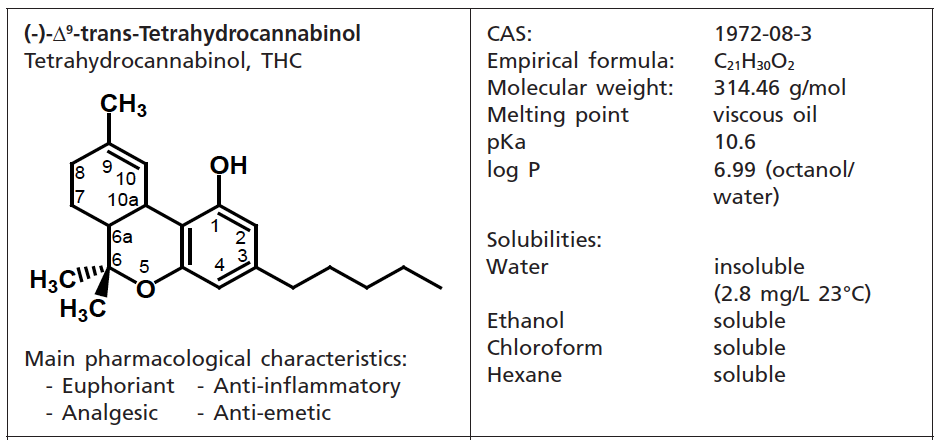
Given that THC is what makes marijuana illegal, then logically what would be best is if we were design tests that react exclusively to THC and nothing else and produces verifiable data that identifies that the green vegetable substance in fact specifically contains THC.
Because we can’t tell what it is just by looking at it or just by smelling it, then we must subject this unknown to testing. Largely in the United States there is a regime or process of how crime laboratories conduct this testing. The triad of testing that is conducted are:
- Microscopic morphological examination
- Modified Duquenois-Levine testing
- Thin Layer Chromatography
This is generally referred to as the Thorton-Nakumura protocol.
In order to answer our questions of specificity, verification, and confirmatory we need to look at each of these three testing techniques. In our next blog posts over the next several weeks each of these tests will be scrutinized.

 The McShane Firm | DUI Lawyers
 Pennsylvania DUI Blog