In a series of posts, we are going to talk about method validation.
- Part 1: Introduction-Is it valid, invalid or non-validated?
- Part 2: What is method validation?
- Part 3: Can we use someone else’s validated method?
- Part 4: What triggers verification, re-validation or out right new validation of a method?
- Part 5: What are the essential terms in method validation?
- Part 6: What is quality assurance and quality control?
In this post, we ask the very important question of:
Can we use someone else’s validated method?
The short answer is “Yes, but…”
Yes, we can use someone else’s validated method, but we must verify it independently and with our own data in our own environment using our instrumentation.

If we copy someone else’s method, we need data.
It would be as if someone were to ask you for a blank check with reassurances of trusting them that they will do the right thing with your life’s earnings. There is an old saying that applies “Trust, but verify.” All of us can trust, but in science we must, must verify. Otherwise, there is no essential check on the system. This is important as importing someone else’s method can be risky. What if their method was invalid?
Do you consent to risky surgery without the test results from the diagnostic tests coming in? No one buys a house without a house inspection, right?
Show us the data before the crucial and irrevocable decision of testing unknowns is started.

You cannot blindly trust in science
Even if you copy someone else’s method, your laboratory should have a full copy of that original laboratory’s documented validation efforts and data. The problem with forensic science this that there are no standards such as there in in Good Laboratory Practices (GLP) laboratories regulated by the FDA, the EPA published methods, American Society for Testing and Materials (ASTM), ISO or the USP. So, the risk of importing an invalid method or a non-validated method is high.
There is some guidance outside of the forensic arena. In CITAC/EURACHEM Working Group, International guide to quality in analytical chemistry: An aid to accreditation, 2002 includes the following:
The validation of standard or collaboratively tested methods should not be taken for granted, no matter how impeccable the method’s pedigree – the laboratory should satisfy itself that the degree of validation of a particular method is adequate for the required purpose, and that the laboratory is itself able to match any stated performance data.
Verification is required. Can you do as they did? But more importantly you must look at their validation data to make sure they did it right in the first place.

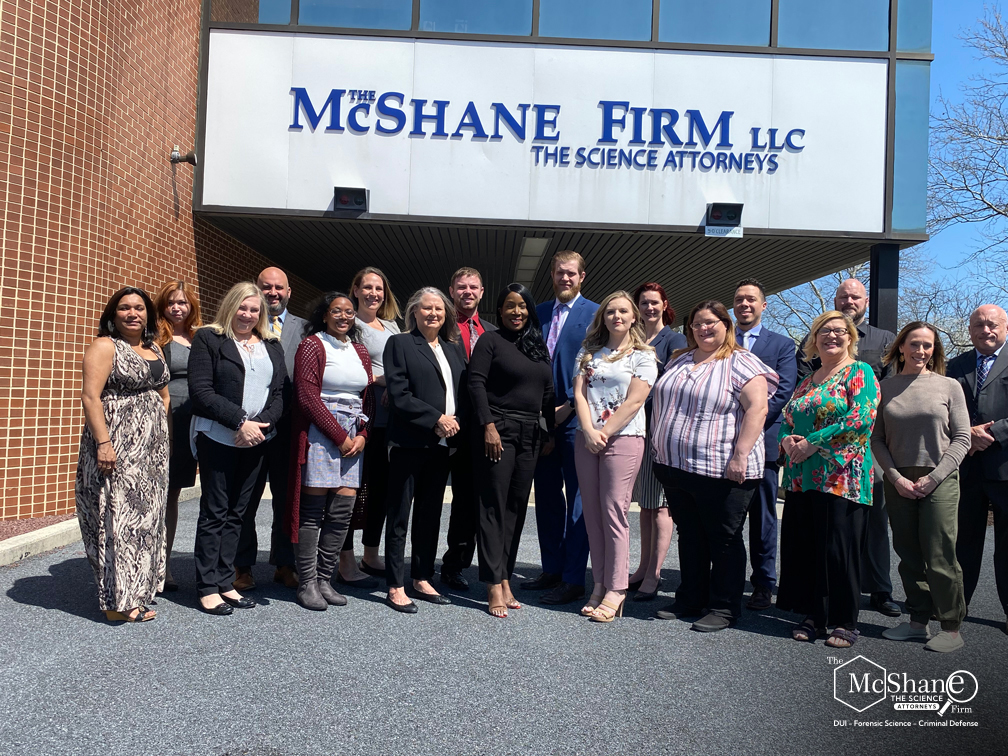
 The McShane Firm | DUI Lawyers
 Pennsylvania DUI Blog